

Introduction: Why Content Marketing is Essential for Business Success
In today’s highly competitive digital landscape, content marketing has emerged as one of the most powerful strategies for business growth. Unlike traditional advertising, which focuses on direct selling, content marketing creates valuable, informative, and engaging content that speaks directly to your audience’s needs and interests. The aim is not just to generate leads, but to nurture relationships that will lead to lasting customer loyalty.
Businesses across industries are increasingly relying on content marketing to establish authority, engage their audience, and ultimately drive conversions. By providing useful content, you’re giving potential customers the information they need to make informed decisions, which ultimately leads to increased trust and better relationships. Whether you’re a startup or a well-established company, content marketing can act as the backbone of your marketing strategy, fueling sustainable growth and long-term business success.
The Strategic Importance of Content Marketing in Business Growth
Building Brand Authority and Trust
One of the core benefits of content marketing is the ability to build brand authority. By consistently publishing high-quality, informative content, businesses position themselves as industry experts. This authority not only enhances credibility but also helps foster a deeper connection with potential customers. Customers trust brands that offer insights, answer questions, and provide valuable solutions to their problems.
For example, companies that create well-researched blog posts, tutorials, and whitepapers often attract audiences that are seeking solutions to their problems. As the audience consumes this content, they begin to see your brand as a trusted advisor rather than just a service provider. Over time, this trust translates into increased brand loyalty and a higher likelihood of repeat business.
Improving SEO and Website Traffic
Another significant advantage of content marketing is its ability to boost your SEO efforts. Search engines like Google reward websites that consistently publish fresh, relevant, and high-quality content. By optimizing your content for targeted keywords, your website can rank higher in search engine results pages (SERPs), driving more organic traffic to your site.
When you integrate SEO best practices into your content, such as keyword optimization, internal linking, and backlinking, you not only attract more visitors but also enhance the user experience. This increased traffic results in more opportunities for lead generation and conversion. In addition, content like blogs, videos, and infographics can keep visitors on your site longer, further improving your SEO ranking and user engagement.
Implementing Effective Content Marketing Strategies
Identifying Your Target Audience
Before embarking on any content creation, it is crucial to identify your target audience. Understanding who your ideal customers are will enable you to tailor your content to meet their specific needs and preferences. This step involves demographic analysis, researching their pain points, and understanding what types of content resonate with them.
By knowing your audience, you can craft content that speaks directly to their challenges, interests, and questions. Whether you’re creating blog posts, videos, or social media content, addressing the specific concerns of your target audience will make your content more valuable and relevant.
Creating High-Quality Content
The foundation of a successful content marketing strategy lies in high-quality content creation. This content must be engaging, informative, and visually appealing to capture the attention of your audience. High-quality content is not only well-written but also provides real value to the reader.
For instance, case studies, how-to guides, and product reviews can provide your audience with solutions to their problems while subtly promoting your product or service. This strategy builds trust and positions your brand as a helpful resource. Moreover, visual content such as infographics, videos, and interactive content can significantly enhance engagement levels and keep your audience interested for longer periods.
Consistency is Key to Long-Term Success
Consistency is a crucial factor in content marketing. Publishing content regularly helps maintain visibility and engagement with your audience. Whether it’s blog posts, social media updates, or email newsletters, keeping a consistent flow of content ensures that your brand stays top-of-mind for potential customers.
Incorporating a content calendar can help you plan and schedule posts in advance, ensuring that your content strategy remains organized and aligned with your business goals. Over time, consistent content delivery fosters a stronger relationship with your audience, leading to higher brand recall and an increase in customer retention.
Measuring Content Marketing Success
Tracking KPIs and Analytics
To evaluate the effectiveness of your content marketing efforts, it’s important to track key performance indicators (KPIs) and analyze the performance of your content. Common metrics to track include website traffic, engagement rates, conversion rates, and social media shares.
Using analytics tools such as Google Analytics, social media insights, and email marketing platforms, you can monitor how well your content is resonating with your audience. This data will help you adjust your strategy, improve your content, and identify areas for optimization.
Refining Your Strategy Based on Data
Content marketing is an ongoing process that requires constant refinement. By analyzing your content’s performance, you can identify what works and what doesn’t. This insight enables you to make data-driven decisions and optimize your content strategy for better results.
For example, if you notice that certain blog topics generate more engagement than others, you can create more content around those themes. Similarly, if specific social media platforms are driving more traffic to your site, you can focus on creating more targeted content for those platforms.
Content Marketing Channels and Their Impact on Business
Utilizing Blogs for Effective Content Marketing
One of the most powerful content marketing channels is blogging. A well-maintained blog is an essential tool for driving traffic, engaging visitors, and improving SEO. By regularly posting relevant and valuable content, businesses can answer questions that their target audience is asking, position themselves as thought leaders, and create organic growth.
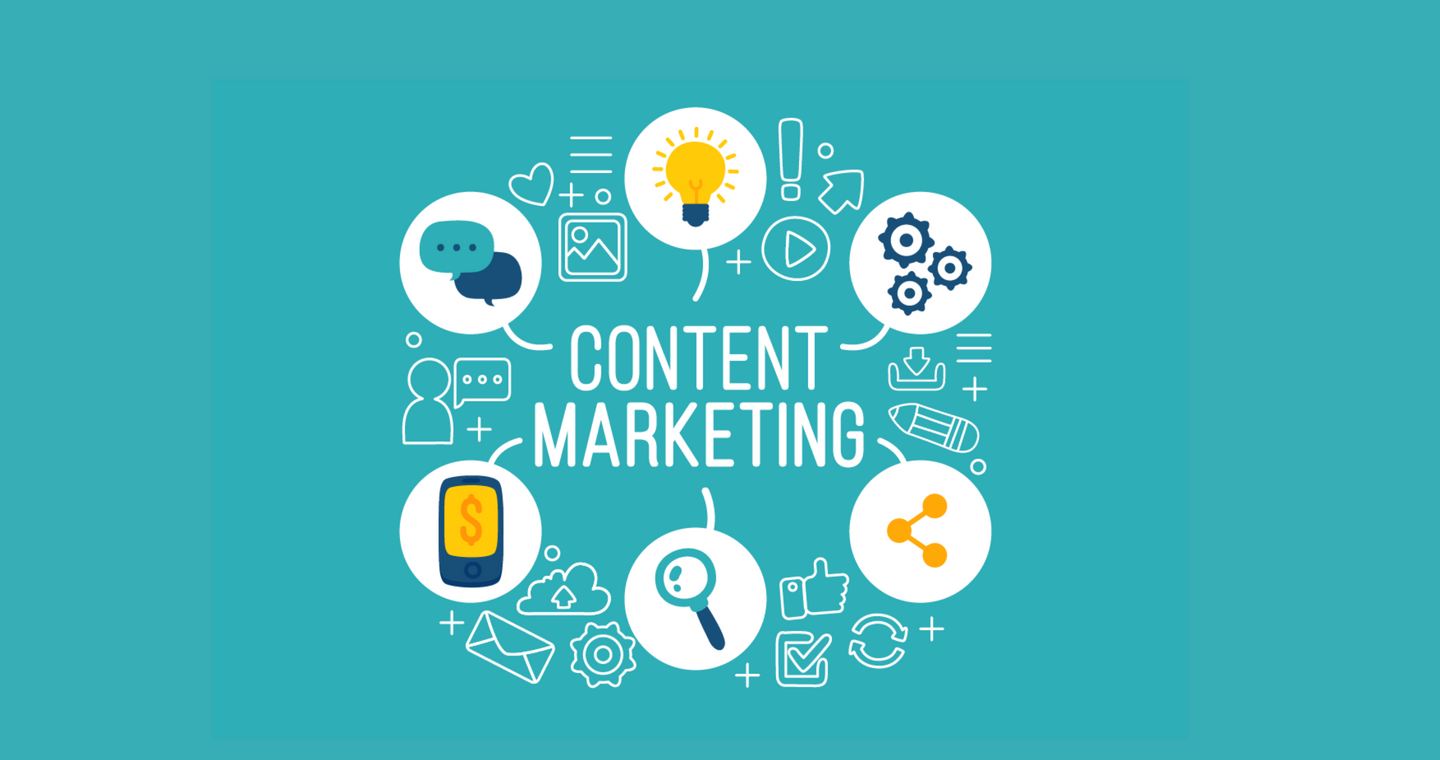
Blogging also helps boost search engine rankings by targeting long-tail keywords and niche topics that align with customer interests. Each blog post acts as a gateway to drive traffic back to your website, giving potential customers more opportunities to discover your products and services. It’s also a great way to share case studies, success stories, and updates, further enhancing your brand’s credibility.
The Role of Social Media in Content Marketing
Social media platforms are a vital extension of your content marketing strategy. These platforms not only allow you to reach a broader audience but also give you the opportunity to engage with them in real-time. From Facebook to Instagram and LinkedIn, social media provides multiple touchpoints where businesses can share blog content, videos, and infographics, driving traffic back to the website.
Furthermore, social media advertising offers a powerful way to boost your content. By utilizing paid ads on platforms like Facebook, Instagram, and Twitter, businesses can extend their reach, target specific demographics, and promote content to a highly relevant audience. Paid advertising on social media can lead to increased engagement, higher conversion rates, and ultimately more leads and sales.
Video Content as a Powerful Tool for Engagement
Video content has rapidly become one of the most engaging formats in content marketing. With its visual appeal and ability to convey a message effectively, video has been proven to increase engagement and conversion rates. By incorporating video into your content marketing strategy, you can explain complex concepts, showcase products, and tell your brand’s story in a way that text cannot.
YouTube, Instagram Reels, and TikTok are perfect platforms for sharing short, engaging videos that captivate your audience. Additionally, explainer videos, tutorials, and customer testimonials are great ways to showcase how your products or services solve real-world problems. The impact of video content extends far beyond engagement; it also contributes to better SEO rankings and broader brand awareness.
Understanding Customer Needs Through Content
The Role of Content in Customer Journey Mapping
In content marketing, understanding the customer journey is crucial to crafting effective content. From the awareness stage to the decision-making process, your content needs to speak directly to each phase of the customer’s journey. For example, in the awareness stage, customers are looking for answers to their problems, and your content should address their questions and concerns.
As they move through the consideration phase, your content should highlight the benefits of your products and services, providing detailed comparisons, features, and customer success stories. Finally, when they’re ready to make a purchase, conversion-focused content like case studies, testimonials, and product demos can help sway their decision in your favor.
Creating Personalized Content That Drives Engagement
Personalized content is one of the most effective ways to engage and nurture leads. By segmenting your audience based on their preferences, behavior, or stage in the customer journey, you can create highly targeted content that speaks directly to their needs. Whether through email marketing, social media, or website content, personalized content fosters a deeper connection with your audience.
Incorporating dynamic content into your emails and website, where the content changes based on the user’s activity, can also increase engagement rates. This type of content delivers more relevant experiences, encouraging your customers to engage more deeply with your brand and eventually convert into paying clients.
Repurposing Content for Maximum Reach
Creating fresh content consistently can be time-consuming and resource-intensive. One effective solution to this challenge is content repurposing. Repurposing allows you to get more value out of your existing content by presenting it in new formats. For instance, you can transform a blog post into a video, an infographic, or a social media post.
By repurposing your top-performing content, you not only save time but also increase the chances of reaching different segments of your audience. Each platform has a unique audience, and repurposing allows you to cater to these diverse preferences, ensuring that your content gets maximum exposure.
Content Creation Tools for Streamlining Workflow
The Power of Content Automation Tools
Content creation can often become overwhelming, especially for businesses that need to produce high-quality content consistently. Fortunately, content automation tools can help streamline this process. Platforms like HubSpot, Buffer, and Hootsuite allow businesses to schedule content, track performance, and analyze the impact of their content without needing constant manual effort.
Automating your content scheduling and social media posting enables you to focus more on creating high-value content rather than spending time on routine tasks. It also ensures that your content is delivered to the right audience at the optimal time, increasing its impact.
Collaborating with Content Teams for Better Output
For businesses with larger teams, collaboration is key to effective content creation. Tools like Google Docs, Trello, and Asana help teams collaborate seamlessly on content projects, ensuring everyone is on the same page. These tools allow teams to brainstorm ideas, track the progress of content pieces, and keep everyone aligned with deadlines.
Additionally, content management platforms like WordPress and Squarespace enable content creators to easily manage and update website content without the need for technical expertise. These tools are great for ensuring that your website remains fresh and up-to-date with the latest content.
Analytics and Optimization in Content Marketing
Using Data to Refine Content Strategies
The true power of content marketing lies in the ability to analyze and refine strategies based on data. By using tools like Google Analytics, Social Media Insights, and email campaign reports, businesses can gain valuable insights into how their content is performing and which topics resonate most with their audience.
This data allows you to adjust your content strategy in real time, focusing more on topics that are performing well and optimizing or retiring those that aren’t generating the desired results. Tracking KPIs like page views, conversion rates, and engagement levels provides the necessary feedback to continuously improve content quality and maximize ROI.
A/B Testing Content for Better Results
A/B testing, or split testing, is a valuable technique for optimizing content marketing efforts. By testing different headlines, calls to action (CTAs), images, and formats, businesses can determine which version of their content generates the best results. This is particularly useful for landing pages, email marketing, and advertisements.
Testing allows you to make data-driven decisions, ensuring that every piece of content is as effective as possible in driving traffic, engagement, and conversions. The goal is to continually improve based on real-world data, maximizing the return on investment (ROI) for your content marketing efforts.
Long-Term Benefits of Content Marketing
Building Long-Term Customer Loyalty Through Content
Unlike paid advertising, which stops as soon as the budget runs out, content marketing provides long-term benefits. When executed correctly, your content becomes an evergreen asset that continues to generate traffic and leads long after it’s been published. This sustainability in marketing efforts is one of the major advantages of investing in content over the long run.
By continually providing value to your audience through content, you nurture lasting relationships and increase customer retention. Loyal customers are more likely to recommend your products or services to others, expanding your customer base through word-of-mouth referrals.
Driving Revenue and Scaling Your Business
At its core, the goal of content marketing is to drive revenue. By generating more leads, nurturing relationships, and improving conversions, content marketing can directly impact your bottom line. In the long term, quality content contributes to scaling your business by attracting new customers, retaining existing ones, and increasing overall sales.
By consistently measuring and refining your content marketing efforts, businesses can scale their content strategies to reach broader audiences, enhance brand recognition, and achieve sustained growth.
Conclusion: Content Marketing as a Long-Term Growth Strategy
Content marketing is not just a tactical approach; it is a long-term growth strategy that can drive sustainable business success. By focusing on delivering valuable content to your audience, you not only increase brand awareness but also build lasting relationships with your customers.
The key to successful content marketing lies in understanding your audience, delivering consistent value, and using data to refine your strategy. Whether you’re looking to improve SEO, increase engagement, or drive conversions, content marketing provides the tools you need to succeed in today’s digital world.