
E-commerce SEO (Search Engine Optimization) is the process of improving the visibility of an online store in search engine results pages (SERPs) to drive organic traffic and increase conversions. Whether you run a small B2B business or a large B2C e-commerce store, optimizing your website for search engines is crucial to reaching more potential customers and boosting your revenue.
In this comprehensive guide, we will cover everything you need to know about e-commerce SEO. From the basic definition to advanced strategies, we’ll break down the key components, best practices, and metrics to help your e-commerce business succeed in the competitive digital space.
Definition of E-commerce SEO
E-commerce SEO refers to the practices and techniques used to optimize an online store or e-commerce website for search engines like Google. The goal is to increase a website’s organic visibility in search results, ensuring that products, categories, and other pages rank higher for relevant search queries. This increases the chances of attracting targeted traffic, improving the shopping experience, and ultimately driving sales.
How Does E-commerce SEO Work?
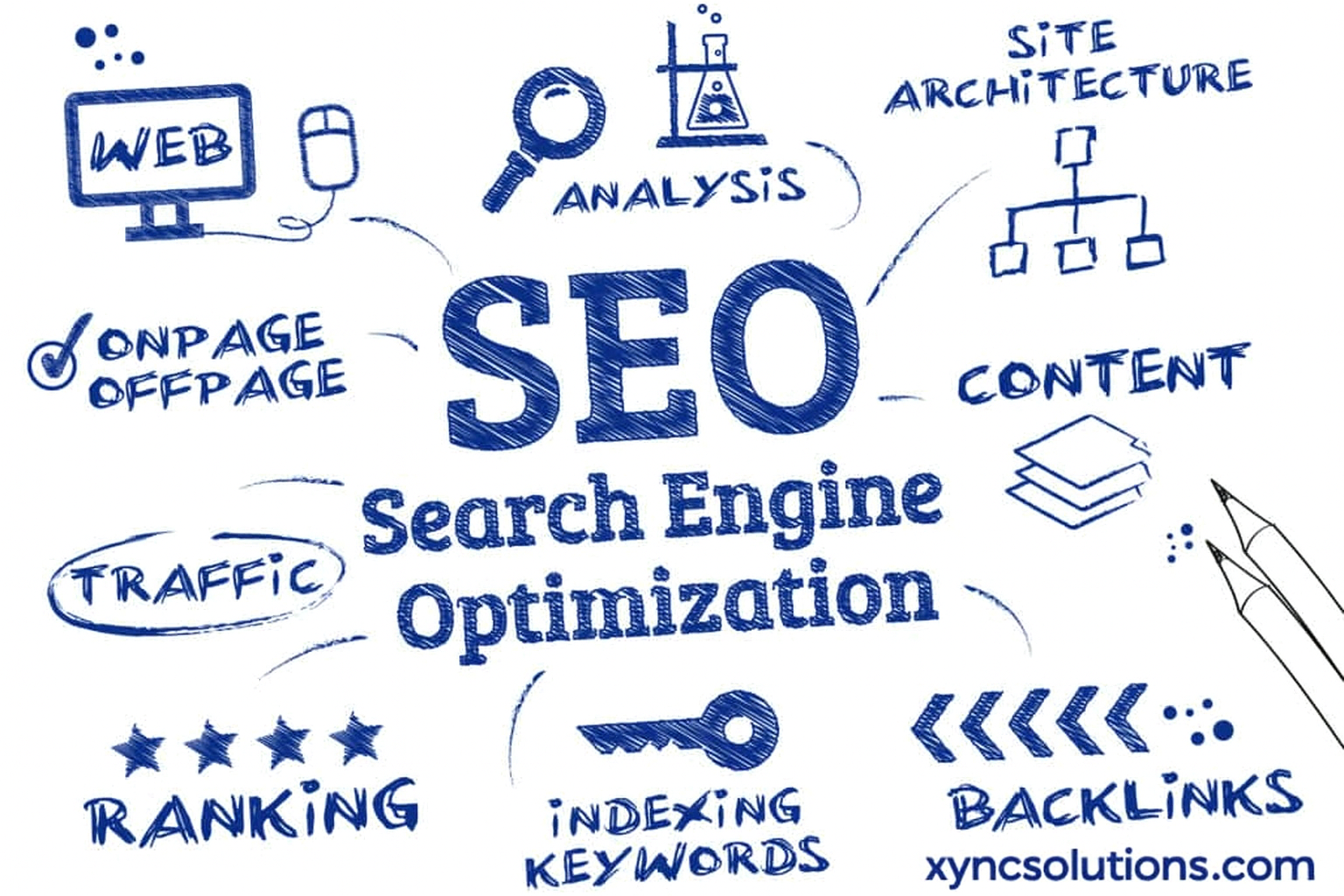
E-commerce SEO works by addressing several factors that influence how search engines rank pages. The process typically involves optimizing on-page elements (like product descriptions and meta tags), technical aspects (like site speed and crawlability), and off-page factors (like backlinks and social signals).
Here’s a simplified overview of how e-commerce SEO works:
- Keyword Research: Identifying keywords that potential customers are searching for.
- On-Page Optimization: Optimizing product pages, category pages, and other content for SEO.
- Technical Optimization: Ensuring your website is technically sound, mobile-friendly, and fast.
- Content Creation: Producing valuable and relevant content that answers customer questions.
- Link Building: Gaining high-quality backlinks to boost authority and rankings.
- User Experience: Enhancing the shopping experience to increase engagement and conversions.
Difference Between B2B Ecommerce SEO vs B2C Ecommerce SEO
Understanding the distinction between B2B (Business to Business) and B2C (Business to Consumer) e-commerce SEO is crucial for tailoring your strategy.
- B2B Ecommerce SEO focuses on attracting business clients who tend to have longer buying cycles and are more likely to make bulk purchases. The focus is on creating targeted content for niche industries and high-value keywords.
- B2C Ecommerce SEO, on the other hand, targets individual consumers who typically make quicker purchasing decisions. B2C SEO strategies often involve optimizing product pages for short-tail, high-volume keywords and ensuring the shopping experience is seamless and fast.
While both share many common strategies, B2B e-commerce SEO places greater emphasis on nurturing leads and providing information, whereas B2C SEO is more focused on speed, conversions, and product-centric strategies.
4 Key Components of an E-commerce SEO Strategy
Content
Content is the backbone of any e-commerce SEO strategy. High-quality content serves several purposes:
- It helps educate customers and answer their questions.
- It encourages visitors to spend more time on your site.
- It drives organic traffic by ranking for targeted keywords.
Effective content for e-commerce websites includes product descriptions, blog posts, category descriptions, and customer reviews. To succeed, e-commerce sites must focus on crafting unique, keyword-optimized content for every product and category page.
Technical Setup
A well-optimized technical setup ensures that search engines can easily crawl, index, and understand your website. Key elements include:
- Website Crawlability: Ensuring that all important pages are accessible to search engines.
- Mobile-Friendliness: With the increasing number of mobile shoppers, having a responsive design is critical.
- Site Speed: A slow-loading website can result in poor user experience and lower rankings.
- HTTPS Security: Google gives preference to secure websites. Ensure your e-commerce site is SSL certified.
User Experience (UX)
E-commerce user experience (UX) is crucial for both SEO and conversions. Search engines like Google prioritize sites that provide a seamless experience. Key aspects of UX for e-commerce include:
- Navigation: Easy-to-use menus and search functionality.
- Responsive Design: A mobile-friendly site that works well on all devices.
- Fast Loading Speed: A website that loads quickly reduces bounce rates and improves conversions.
- Clear CTAs: Buttons like “Add to Cart” or “Buy Now” should be easy to find.
Link Building
Building high-quality backlinks is essential for improving domain authority and rankings. When authoritative websites link to your e-commerce site, it signals to search engines that your content is valuable. Focus on acquiring links from:
- Industry-specific blogs and media.
- Guest posts on relevant platforms.
- Product reviews and testimonials on other sites.
Benefits of E-commerce SEO
Better User Experience
By optimizing your website for SEO, you also enhance the user experience. Faster load times, easy navigation, and relevant content all contribute to a better shopping experience for your customers.
Expanded Reach
E-commerce SEO helps you reach a wider audience, especially those actively searching for products you offer. By ranking higher in SERPs, you increase the visibility of your products, driving more organic traffic to your store.
Better Quality Traffic
Unlike paid ads, which attract clicks regardless of relevance, organic traffic through SEO tends to be more targeted. People searching for specific products or categories are more likely to convert into paying customers.
Cost-efficient Growth
SEO is one of the most cost-effective long-term marketing strategies. While it takes time to see results, once your website is optimized and ranking well, it can generate continuous traffic without the ongoing costs of paid ads.
Long-Term Results
Unlike paid ads that stop delivering once you stop paying, the benefits of SEO can last for months or even years. Once your pages rank high for competitive keywords, you can maintain those rankings with periodic content updates and technical optimizations.
Challenges of E-commerce SEO
Lack of Quality Content
Many e-commerce sites suffer from duplicate or thin content, especially on product pages. Google prefers unique, valuable content, so having fresh and detailed product descriptions is crucial.
Duplicate Content
E-commerce websites often struggle with duplicate content, especially when they sell products across multiple categories or have multiple pages with similar content. To avoid penalties, use canonical tags and unique product descriptions.
Poor Technical Setup
A site with poor technical SEO can hinder crawlability and indexing, which ultimately hurts search rankings. Ensuring a solid technical setup, including mobile optimization and fast load speeds, is vital for e-commerce success.
Keyword Competition
E-commerce websites often face fierce competition for high-traffic keywords. By targeting niche, long-tail keywords and focusing on user intent, businesses can overcome this challenge and gain visibility in their market.
E-commerce SEO Best Practices
Define Buyer Personas Before Keyword Research
Understanding your target audience is key to selecting the right keywords. Define buyer personas and map their needs, pain points, and search behaviors to guide your keyword research.
Craft Unique Titles & Content
Each product page and category page should have unique, optimized titles and content that differentiate them from competitors. Avoid generic content and aim to add value for the customer.
Refresh Content Regularly
Regularly update product descriptions, blog posts, and category pages to keep them fresh and relevant. This helps improve rankings and keeps your content in line with current search trends.
Target Low-Volume, High-Intent Keywords
Instead of focusing only on high-traffic keywords, target low-volume, high-intent keywords that reflect a buyer’s decision-making process. These keywords may be less competitive but can lead to higher conversion rates.
Build High-Quality Backlinks
Quality backlinks from authoritative sources can significantly impact your rankings. Develop a link-building strategy that focuses on obtaining relevant and authoritative links to boost your site’s authority.
KPIs to Measure E-commerce SEO Success
Organic Traffic
Monitoring the amount of organic traffic to your site is one of the most important SEO KPIs. Increased organic traffic typically signals that your site is ranking better and attracting more potential customers.
Keyword Rankings
Track your rankings for targeted keywords. Improved rankings can lead to more visibility in search results, driving more targeted traffic.
Conversion Rate
The ultimate goal of SEO is to drive conversions. Track the percentage of visitors who make a purchase on your site to evaluate how well your SEO strategy is contributing to business goals.
Revenue
Revenue is the ultimate KPI for any e-commerce site. Improved SEO should lead to higher sales, so monitor how your organic traffic translates into revenue.
Bounce Rate & CTR
Bounce rate and click-through rate (CTR) can provide insights into the quality of your SEO efforts. A high bounce rate may indicate that users are not finding what they expect, while a low CTR may mean your meta titles and descriptions need improvement.
FAQs
What is e-commerce SEO?
E-commerce SEO is the process of optimizing an online store to improve its visibility in search engine results pages (SERPs) and drive organic traffic. This involves optimizing product pages, category pages, technical aspects of the site, and building backlinks to improve rankings and attract more customers.
Why is e-commerce SEO important?
E-commerce SEO is crucial because it helps businesses increase their organic visibility, attract targeted traffic, and convert visitors into customers. Unlike paid advertising, SEO provides long-term benefits and cost-efficient growth.
How long does e-commerce SEO take to show results?
E-commerce SEO is a long-term strategy, and results can take anywhere from 3 to 6 months or longer. Factors like website authority, competition, and the effectiveness of your SEO strategy will influence how quickly you see improvements in rankings and traffic.
What is the difference between B2B and B2C e-commerce SEO?
B2B e-commerce SEO focuses on attracting business clients and often targets niche, high-value keywords. B2C e-commerce SEO targets individual consumers and focuses on optimizing product pages for broader, high-volume keywords with a faster purchasing cycle.
Which KPIs matter most for e-commerce SEO success?
Key performance indicators (KPIs) for e-commerce SEO success include organic traffic, keyword rankings, conversion rate, revenue, bounce rate, and click-through rate (CTR). These metrics help you measure the effectiveness of your SEO efforts and guide future optimization.
By following these e-commerce SEO best practices, understanding the importance of each component, and keeping an eye on relevant KPIs, you can optimize your e-commerce store for higher rankings, more organic traffic, and improved conversions. For expert support, agencies like Xynco Solutions offer comprehensive e-commerce SEO services, from on-page and technical SEO to content optimization, ensuring that your online store thrives in the competitive e-commerce landscape.